

Welcome back to our blog! Today, we explore the concept of autonomic computing. Originally coined by IBM in the early 2000s, this term has been somewhat overshadowed by concepts like automatic and autonomous. However, autonomic computing is making a comeback as the next step in technological evolution. It refers to systems that go beyond simple autonomy—they are aware of their changing environments and can self-adapt accordingly. In this post, we’ll delve into what makes autonomic computing distinct and why it’s gaining renewed interest in the world of technology and automation.
The evolution of technology
Automation has revolutionized how we approach labor-intensive, time-consuming, and repetitive tasks, especially in industrial settings. By introducing machines, we’ve been able to automate processes that involve clear sequences of steps and straightforward decisions. These processes can be programmed into algorithms and executed by computers or robots. As a result, automation not only relieves humans from monotonous tasks, but also enhances production speed and reduces the likelihood of errors.

A classic example of automation is the shift from manual to automatic gear transmissions in cars. Manual transmissions require drivers to manually change gears, needing constant attention and skill. Automatic transmissions, however, do this automatically based on speed and engine load, reducing the driver’s workload and allowing them to focus more on the road. This automation makes driving easier and less stressful, especially in heavy traffic, providing a smoother driving experience.
The development of machine learning and artificial intelligence (AI) has taken automation to the next level, allowing machines to perform more complex tasks that can’t be easily reduced to a simple sequence of steps. This advancement has led to machines, devices, and software that can operate with little or no human intervention—they’ve become autonomous.
Autonomous systems can make decisions and adapt to changing conditions without explicit programming for each scenario. This flexibility allows autonomous systems to handle complex and dynamic tasks, learning from real-time data and adjusting their actions accordingly. While automatic systems are efficient for repetitive processes, autonomous systems are capable of managing uncertainty and unexpected events.
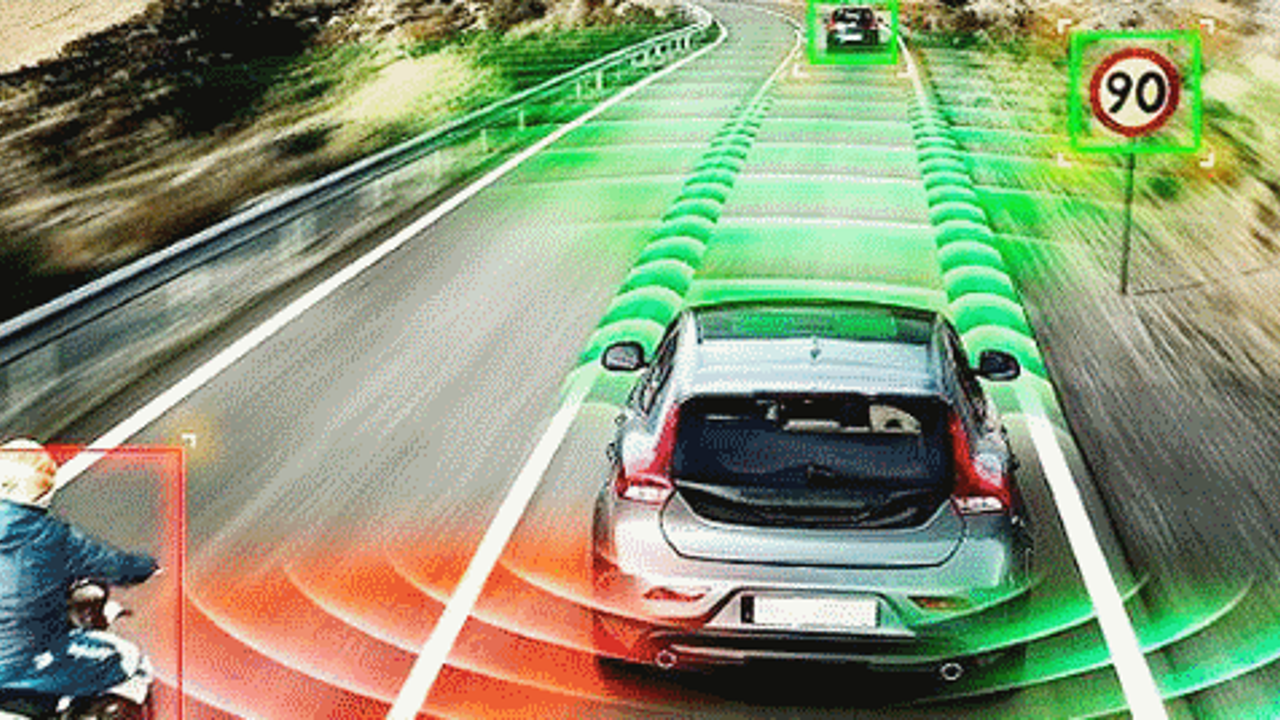
Self-driving car is a prime example of an autonomous system. These cars operate autonomously using a combination of advanced sensors, cameras, radar, and other software systems. This technology enables the car to make decisions based on real-time data, allowing it to navigate complex and dynamic environments without constant human oversight or intervention.
The evolution of technology has moved beyond just automation and autonomy to a concept known as autonomic computing. This approach not only involves operating independently but also incorporates an awareness of the environment, allowing systems to adapt and respond automatically. The term ‘autonomic computing’ was introduced by Paul Horn of IBM in 2001, inspired by the human autonomic nervous system, which governs automatic biological processes in the body.
Autonomic computing refers to systems that can manage themselves, providing corrective actions without human intervention. This capability addresses the increasing complexity in computer environments, where disruptions can have significant consequences. Critical issues like system failures due to operational or user errors, network overload from peak demand, database outages, and application malfunctions all underscore the need for autonomic systems.
While both autonomic and autonomous systems share self-managing characteristics—learning from the environment and taking automatic actions with minimal human involvement—autonomic systems go a step further. They can dynamically change their internal algorithms without external updates, enabling them to adapt quickly to new environments or conditions. This feature allows them to maintain stability and performance even in rapidly changing or unpredictable situations, offering a robust solution to the challenges of growing complexity in modern computing.
IBM outlined 8 key conditions that define an autonomic system:
The system must:
- Know itself in terms of what resources it has access to, what its capabilities and limitations are and how and why it is connected to other systems;
- Be able to automatically configure and reconfigure itself depending on the changing computing environment;
- Be able to optimize its performance to ensure the most efficient computing process;
- Be able to work around encountered problems by either repairing itself or routing functions away from the trouble;
- Detect, identify and protect itself against various types of attacks to maintain overall system security and integrity;
- Adapt to its environment as it changes, interacting with neighboring systems and establishing communication protocols;
- Rely on open standards and cannot exist in a proprietary environment;
- Anticipate the demand on its resources while staying transparent to users.
Autonomic Computing
While the specific purposes and behaviors of autonomic systems vary, all such systems should exhibit a core set of properties to function effectively:
- Automatic: An autonomic system must have the capacity to self-regulate its internal operations, enabling it to start up and function without manual intervention or external assistance. This self-sufficiency means that the system contains the necessary knowledge to initiate and maintain its operations without additional input.
- Adaptive: An autonomic system should be able to adjust its behavior, including its configuration, state, and functions, in response to changing conditions. This adaptability allows the system to respond to both long-term changes, like evolving environmental conditions, and short-term disruptions, such as hardware faults or malicious attacks.
- Aware: An autonomic system needs to be able to monitor both its operational context and its internal state. This level of awareness is crucial for determining whether the system’s current operations are meeting its objectives. Being aware allows the system to adapt its behavior in response to changes in its environment or internal status.
Autonomic systems rely on policy-based management, operating according to predefined rules set by administrators. This framework guides their behavior and decision-making. These systems are adaptable, adjusting their behavior and configuration as conditions, requirements, or workloads change, ensuring optimal performance and resource utilization. Although the goal of autonomic computing is to minimize human intervention, it still allows for human oversight. Administrators can set policies, review system reports, and make high-level decisions when necessary.

Autonomic computing is particularly valuable for managing large-scale, complex systems, like data centers, cloud computing environments, and distributed networks. Its main goal is to simplify the management of these systems, increase reliability, and reduce operational costs.
Autonomic computing applications focus on tackling the complexity of IT systems by implementing features like self-configuration, self-optimization, self-protection, and self-healing. These features have shown significant promise in streamlining IT service management technologies (ITSM) and Web Services Distributed Management (WSDM).
Autonomic Systems
While autonomous systems operate within predefined scopes, such as unmanned aerial vehicles (UAVs), unmanned ground vehicles like self-driving cars, and manufacturing robots, autonomic systems can dynamically adapt to changing conditions. This adaptability makes them particularly useful in complex environments where traditional management approaches can be cumbersome and costly.
An example of an autonomic system on a larger scale is a smart-city traffic management network that connects to self-driving cars. In this setup, autonomous vehicles receive real-time information about traffic conditions, weather, construction sites, and major events. Such a system would be able to provide live updates on traffic jams and road closures, enabling the cars to reroute to avoid congestion. It could also offer weather forecasts, so vehicles can adjust their driving behavior—like slowing down in the rain. The network could even detect accidents or emergencies through traffic cameras and road sensors, allowing for quick responses.
This kind of autonomic system streamlines traffic flow, reduces travel times, and enhances safety by helping self-driving cars make informed decisions. It also contributes to sustainability by optimizing routes and reducing idle times, leading to lower emissions and a more efficient urban environment.
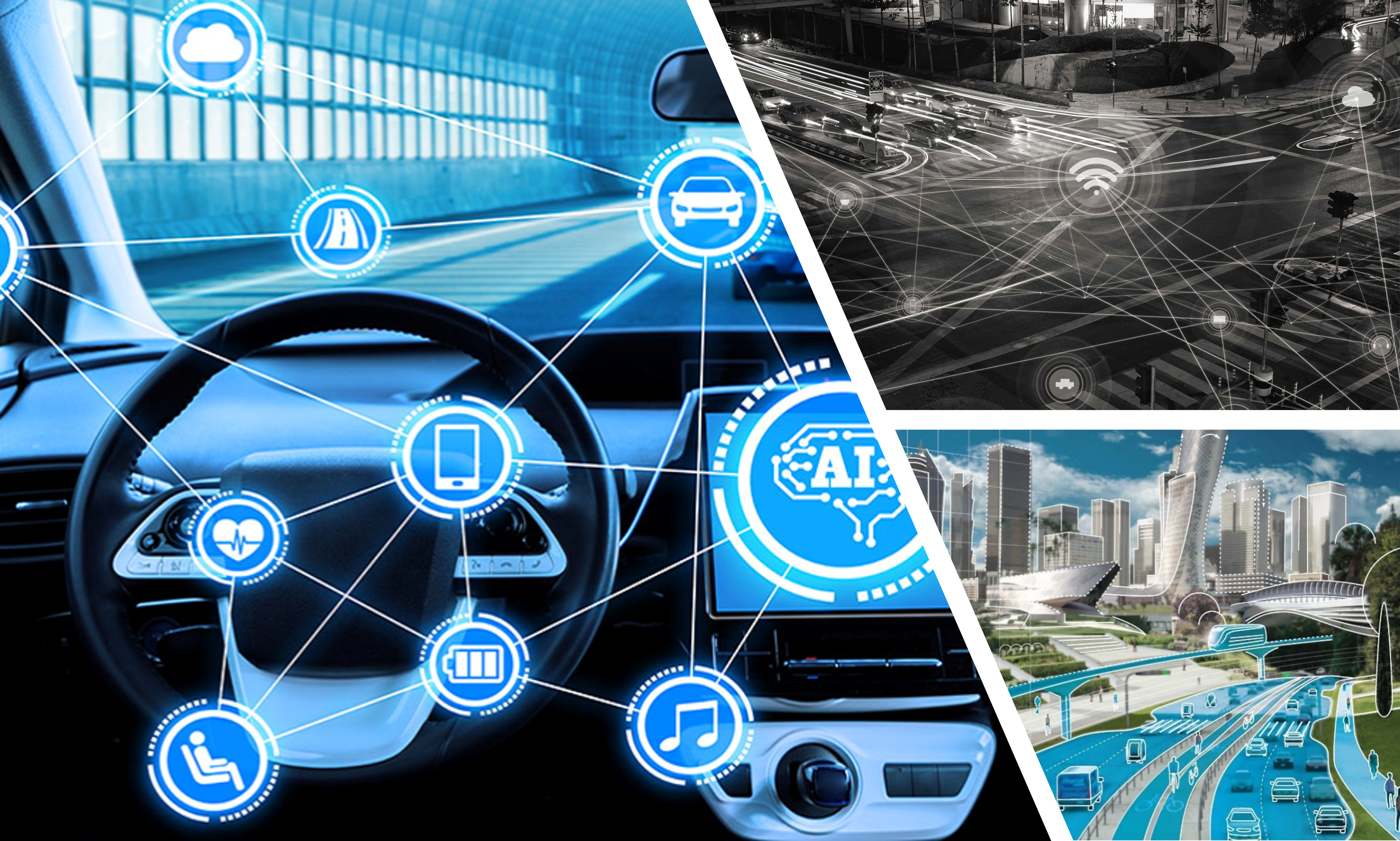
Smart-city traffic management system – an autonomic system
Conclusion
Thank you for joining us in exploring autonomic computing and how it stands out from automatic and autonomous systems. As we’ve discussed, these systems offer a new level of self-adaptation and environmental awareness, leading to more resilient and responsive technologies.
We hope you found this discussion insightful and invite you to stay tuned for our next blog post, where we’ll delve deeper into the role of situational awareness in autonomic systems.